
Water Heater Repair
Service You Can Count On. Experience You Can Trust.
Tankless Water Heater Repair in Ann Arbor, MI
A tankless water heater is supposed to make life easier—endless hot water, better efficiency, and less space taken up in your utility area. So when the shower turns cold midstream, the temperature swings from hot to cold, or the unit flashes an error code, it’s frustrating fast. If you need tankless water heater repair in Ann Arbor, MI, we’re ready to help you get steady hot water back with a calm, clear process—and repairs designed for long-term reliability. Tankless water heater repair is the professional diagnosis and correction of issues that prevent an on-demand water heater from heating water consistently and safely. Most repairs involve water flow and inlet filtration, mineral scale buildup, ignition/flame sensing (gas units), venting/combustion safety, sensors, or electronic controls. If your tankless unit is producing fluctuating temperatures, no hot water, low hot water flow, or recurring error codes, a professional diagnostic is the safest next step.
At Trusted Heating & Cooling Solutions, our tone is warm, dependable, and confident. We bring a positive, respectful presence into every home, stay all-in from the first phone call through the final walkthrough, and prioritize real, lasting value—solutions built around your home, not a one-size-fits-all approach.
Book Online


4.9 Star Rating | 375+ Google Reviews




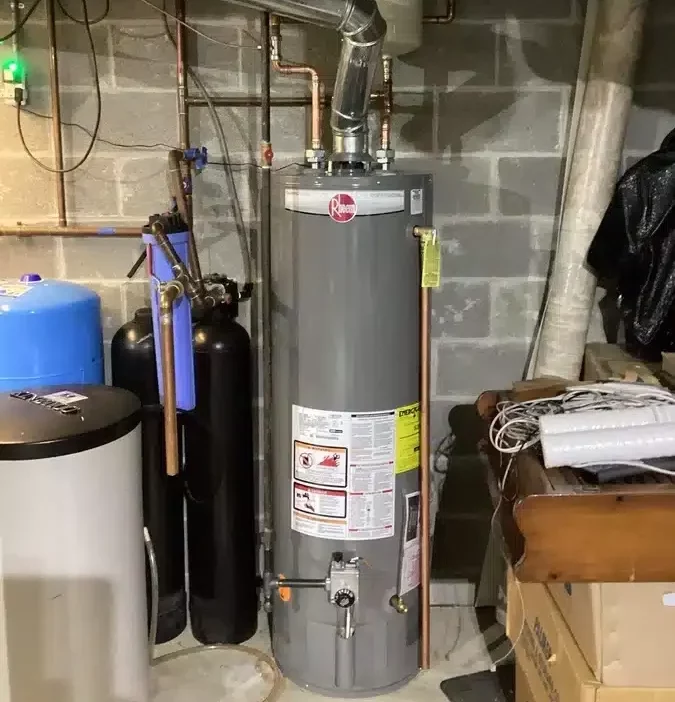
Tankless vs. Tank Water Heater Repair: What’s Different?
A lot of homeowners are used to tank water heaters, where issues often involve stored hot water (elements, thermostats, and sediment in the tank). Tankless systems work differently.
Tankless water heaters are flow-dependent
A tankless unit “decides” how much heat to produce based on water flow rate and sensor readings. If flow is restricted—or readings are off—the unit may not fire correctly or may struggle to keep temperatures stable.
Tankless systems are more sensitive to mineral scale
Mineral buildup can reduce heat transfer and restrict internal waterways. That can trigger performance issues and error conditions, especially in regions where hard water is a factor.
Gas tankless units also rely on venting and combustion safety
If venting, air supply, or combustion sensing isn’t correct, the unit may shut down for safety, which is exactly what it should do.
Call Now (810) 355-1669Common Tankless Water Heater Problems We Repair
Temperature fluctuations and inconsistent hot water
This is one of the most common tankless complaints. It can be caused by flow restrictions, scale buildup, sensor/thermistor issues, or control problems.
Low hot water flow
Low flow can happen when inlet screens clog, fixtures have buildup, or internal scaling restricts the unit. Because tankless heaters rely on a minimum flow to activate and modulate, flow problems can mimic “heater failure.”
No hot water (unit not firing)
Depending on the system, this may involve electrical supply issues, control board/communication issues, ignition failures (gas), flame sensing, gas supply issues, or safety lockouts.
Scale buildup and performance loss
Scale buildup can reduce efficiency, cause overheating conditions, and trigger errors/shutdowns. In many cases, addressing scale and confirming correct operation restores stable performance.
Leaks at fittings or connections
A small drip can become a bigger problem over time. We inspect connections, valves, and the unit’s water pathway to determine the safest repair.

We Keep Homes Comfy and Hearts Full
Trusted HVAC isn’t just about comfort—we’re about community, too. Through Trusted Cares, we support local nonprofits, help neighbors in need, and pitch in wherever we can. Because being good at what we do means doing good, too. Every time you hire us, you’re giving a little back to your community. Here’s how.
Tankless Water Heater Error Codes: What They Usually Mean
Error codes are helpful, but they’re not a diagnosis by themselves. Many codes fall into a few broad categories:
Ignition or flame-sensing category (gas units)
If the unit can’t ignite, can’t maintain flame, or senses unsafe combustion conditions, it may shut down.
Water flow/inlet restriction category
If the unit can’t detect adequate flow, or if sensors interpret flow/temperature incorrectly, performance can become erratic or stop altogether.
Overheat / scale-related category
When heat can’t transfer properly (often due to scale), the unit can overheat and protect itself by shutting down.
Venting/air supply category (gas units)
Venting problems can cause safety shutdowns. This is especially important because venting affects combustion and indoor safety.
If you can share the error code when you call, that’s helpful—but we still verify the root cause with on-site diagnostics.
Safe, Simple Checks You Can Do Before Calling
We don’t recommend DIY repairs on tankless systems—especially gas units. But these safe, basic checks can help rule out simple issues:
- Check the display for an error code
Write it down before resetting anything. - Confirm power is on
If a breaker is tripped and trips again, stop resetting and call us. - Confirm gas supply is on (gas tankless)
If you smell gas, leave the area and contact the gas utility or emergency services. - Check whether the issue is at one fixture or multiple
A single fixture issue can sometimes be a local restriction, while multiple fixtures suggest a system-side problem.
If these checks don’t resolve it quickly—or if you see leaks, smell burning, or the unit repeatedly locks out—professional repair is the safest path.
What to Expect During Our Tankless Water Heater Repair Visit
A good repair experience should feel clear and steady—especially when you’re dealing with no hot water. Here’s how we typically approach tankless water heater repair:
- We start with your symptoms and household routine
We want to understand when the problem happens and how you use hot water day-to-day. - We evaluate system behavior, not just parts
We check error history (if available), verify flow/activation behavior, inspect inlet filtration, and review heating performance under real demand. - For gas units, we verify safe operation
That includes checking ignition behavior and venting/combustion-related safety operation where applicable. - We explain findings in plain language
You’ll understand what’s happening and what the repair accomplishes. - We verify stable hot water delivery before we leave
Our goal is “reliable hot water,” not “it fired once.”
This is where our “service that goes further” shows up—attention to detail, double-checking work, and making sure the system is truly back to steady performance.
Tankless Water Heater Repair vs. Replacement: How to Think About It
Sometimes a repair is the clear answer. Other times, recurring issues or system condition point toward replacement. Here’s a practical way to think about it:
Repair is often the right move when:
- The issue is isolated (flow restriction, sensor, control component, ignition part)
- The system has been dependable overall
- Hot water performance returns to stable operation after repair
Replacement becomes more likely when:
- Problems are recurring despite proper service
- The unit can’t consistently meet household demand
- There are persistent safety shutdowns or reliability concerns
- Your home’s hot water needs have changed, and the current unit is no longer the right fit
We’ll walk you through what we find and why—without pressure—so you can make a confident decision based on your home and long-term comfort goals.
How to Prevent Future Tankless Breakdowns
Tankless systems reward proactive care. A few habits can reduce surprise problems:
- Address temperature fluctuations early instead of waiting for full failure
- Reduce restrictions that cause “flow problems” (a professional inspection can help)
- Schedule routine maintenance so scale and internal performance issues don’t build up quietly
- Keep the unit area clear and accessible for safe operation and service
If you want a “stay ahead of it” approach, maintenance is often the best long-term protection for tankless reliability.

Make Life Easier. Join the Top Gun Club.
No heat, no hot water, weird electrical issue? As a Top Gun Club member, you skip the line with priority scheduling, get two system tune-ups a year, and save 10% on repairs. It’s our way of keeping your home humming—and your stress levels low. Sign up once, and we’ll handle the rest.
Schedule Tankless Water Heater Repair in Ann Arbor, MI
Get Reliable Hot Water Again—Book Tankless Service With Trusted Today
If your tankless system is flashing error codes, struggling with temperature swings, or leaving you without hot water, don’t wait for it to turn into a bigger disruption. Contact Trusted Heating & Cooling Solutions for Tankless Water Heater Repair in Ann Arbor and Southeast Michigan. We’ll bring a respectful presence, stay all-in from start to finish, and deliver a solution designed around your home—so comfort lasts.
Book OnlineFAQ: Tankless Water Heater Repair in Ann Arbor, MI
Tankless systems are flow-dependent. Cold water mid-use often points to flow restrictions, scaling, sensor issues, or a safety shutdown. A diagnostic helps identify the exact cause.
Temperature swings can be caused by inconsistent flow, mineral scale buildup, or sensors/controls that aren’t reading conditions correctly.
Write the code down and schedule the service. Error codes help narrow the category of the problem, but a professional inspection confirms the true cause and ensures safe operation.
Yes. Mineral scale can reduce heat transfer and affect performance, which is why routine maintenance can be especially important in areas where hard water is common.
Basic checks (power on, note error code) are fine, but repairs involving gas, venting, or internal components should be handled by trained professionals for safety.
If it’s a one-time issue and the unit returns to stable performance, repair is often the best step. If issues are recurring or reliability is declining, we’ll explain your options based on what we find—so you can choose the best long-term solution.
Trusted Heating & Cooling Help Across Ann Arbor Area
From chilly nights to sweltering afternoons, we handle everything from heating repairs to full system replacements with care, speed, and expertise. Homeowners across these communities count on us to keep things running right, year-round:
 All Service Areas
4.9 Star Rating | 375+ Google Reviews
Customer Testimonials – Real Reviews from Our Satisfied Clients in Ann Arbor and Beyond
We’d love to earn your 5-star review next.