

Heat Pump Repair in Ann Arbor, MI
Service You Can Count On. Experience You Can Trust.

Heat Pump Repair Services in Ann Arbor, MI
When your heat pump starts acting up, it rarely fails conveniently. One day, the home feels chilly; the next, it won’t cool evenly, and suddenly the system is running constantly (or not running at all). If you’re looking for heat pump repair in Ann Arbor, MI, we’re here to help you get answers fast—and get comfort back without the stress.
Heat pump repair fixes the specific component causing heating or cooling problems—often issues like refrigerant leaks, frozen coils, airflow restrictions, thermostat/sensor faults, electrical/control problems, or compressor and blower issues. If your system is short-cycling, blowing lukewarm air, icing up, or struggling to keep up with Michigan weather, a professional diagnostic is the safest next step.
At Trusted Heating & Cooling Solutions, we bring a warm, dependable, confident approach to every home. As a proud woman-owned business serving Southeast Michigan, we believe strong homes help build strong communities. That’s why, through our Cares Program, we commit to “1% Back to the Local Cause You Care About” with every service we provide.
Book Online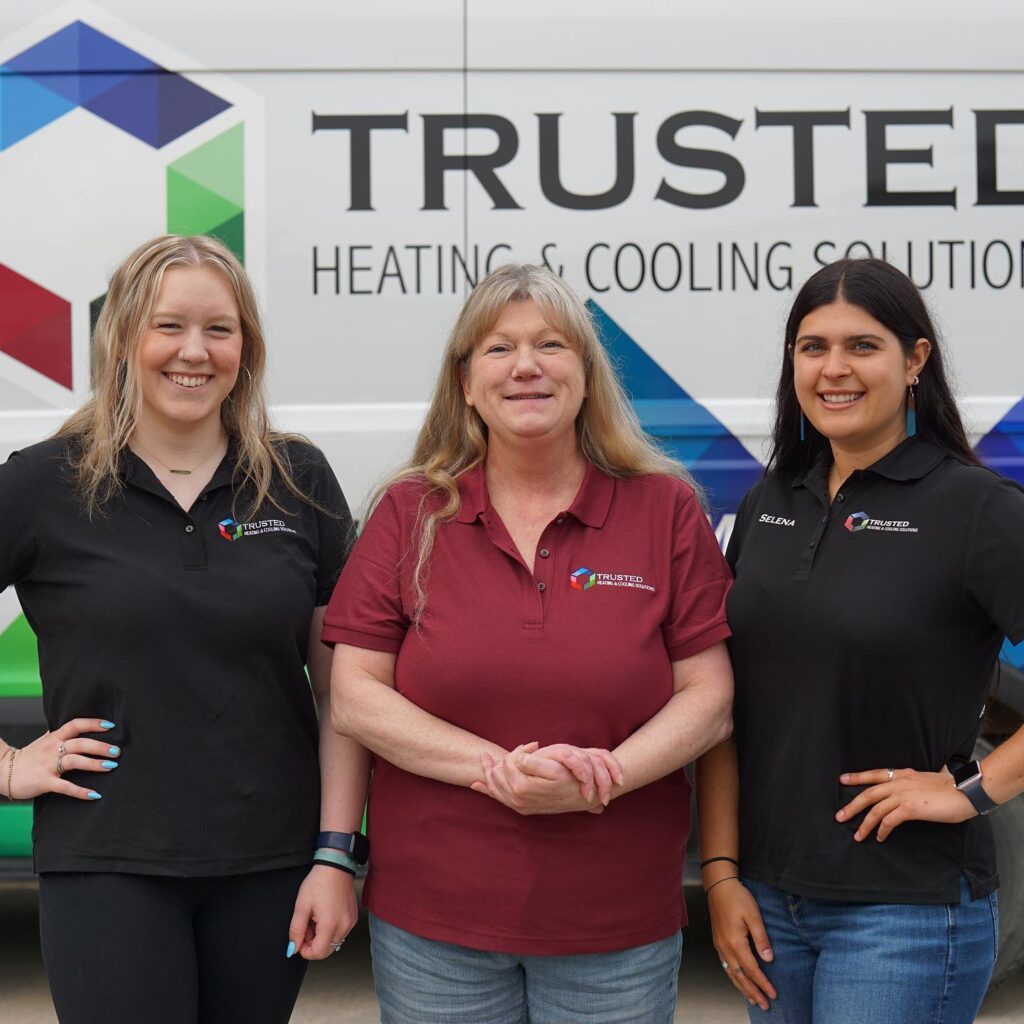

Common Heat Pump Problems We Fix
Refrigerant leaks and performance loss
Low refrigerant can reduce heating/cooling capacity and may contribute to coil issues. It’s not something to “top off” casually—leaks need to be found and corrected, then the system verified for proper operation. Addressing refrigerant problems quickly is an important part of professional heating services in Ann Arbor MI, especially for heat pump systems.
Frozen or icing coils
Ice buildup can be caused by airflow restrictions, control issues, or refrigerant-related problems. If your outdoor unit repeatedly ices up and comfort is dropping, it’s a repair call—not a wait-and-see situation.
Heat pump short cycling
Short cycling can strain components and often points to thermostat issues, airflow problems, sensor faults, or electrical/control complications. This is one of the fastest ways small issues become bigger ones.
Thermostat and sensor issues
A heat pump depends on accurate feedback. When sensors or thermostat communication is off, the system may run at the wrong time, in the wrong mode, or with poor efficiency.
Electrical, capacitor, or control board faults
Heat pumps rely on controls to manage staging, reversing valve operation, fan behavior, and defrost timing. Electrical problems can cause intermittent failures that feel “random” to homeowners.
Compressor or blower motor problems
These are critical components. If the system is loud, struggling to start, or can’t move air properly, diagnosis and testing are essential to protect the equipment and restore reliable comfort.

We Keep Homes Comfy and Hearts Full
Trusted HVAC isn’t just about comfort—we’re about community, too. Through Trusted Cares, we support local nonprofits, help neighbors in need, and pitch in wherever we can. Because being good at what we do means doing good, too. Every time you hire us, you’re giving a little back to your community. Here’s how.
“Is This Normal? ” Heat Pump Behaviors vs. Red Flags
Heat pumps can behave differently than furnaces—especially during cold weather. Many homeowners notice unfamiliar behaviors and wonder if something is wrong. Similar questions often come up with other home systems, too, like when homeowners call about water heater repair and ask whether a sound or performance change is normal.
Often normal (depending on conditions)
- Steam rising from the outdoor unit during defrost
- Temporary cool air indoors during certain defrost cycles
- Outdoor fan is stopping briefly during defrost
Not normal (call for heat pump repair)
- Heavy ice buildup that doesn’t clear
- Repeated defrost cycles with poor indoor comfort
- Loud banging or grinding
- System shutting off or tripping breakers
- Burning smell or electrical odor
If you’re unsure which category you’re in, it’s safer to schedule a diagnostic than to guess.
What to Expect During Our Heat Pump Repair Visit
We believe comfort service should feel calm and organized. Here’s how we typically approach a repair call:
- Listen first
We start with what you’re experiencing—what changed, when it started, and what you’ve noticed. - System diagnosis
We check the items that most commonly drive heat pump failures: airflow, coils, controls, thermostat/sensors, electrical connections, and operating behavior in heating/cooling modes. - Clear explanation of findings
We translate the technical details into plain English so you can make a confident decision. - Repair plan built around your home
We don’t push one-size-fits-all work. We design the solution around the system, the home, and the homeowner. - Test and verify
After repairs, we verify performance and make sure everything is operating the way it should.
That “all-in” commitment—staying engaged from start to finish—is part of how we deliver lasting value, not just a fast temporary fix.
Heat Pump Repair vs. Replacement: How to Think About the Decision
Many homeowners ask, “Should I repair it… or is it time to replace?” The honest answer depends on patterns, not panic.
Repair is often the right move when:
- This is the first major issue
- The system has been reliable overall
- The problem is isolated (sensor, airflow, electrical component, etc.)
- The unit still delivers good comfort when it’s running correctly
Replacement becomes more likely when:
- You’ve had repeated breakdowns
- Comfort is inconsistent across seasons
- The system struggles to keep up even after repairs
- You’re planning broader home upgrades and want a long-term solution
If you’re on the fence, we’ll walk you through what we’re seeing, what it means for reliability, and what makes the most sense for your home—without pressure.

Make Life Easier. Join the Top Gun Club.
No heat, no hot water, weird electrical issue? As a Top Gun Club member, you skip the line with priority scheduling, get two system tune-ups a year, and save 10% on repairs. It’s our way of keeping your home humming—and your stress levels low. Sign up once, and we’ll handle the rest.
How to Prevent Future Heat Pump Breakdowns
A lot of heat pump “surprises” are preventable. Regular service helps keep performance stable and catches problems early—especially before heavy heating/cooling seasons.
Homeowner-friendly best practices
- Change or clean filters regularly (a clogged filter can trigger airflow problems)
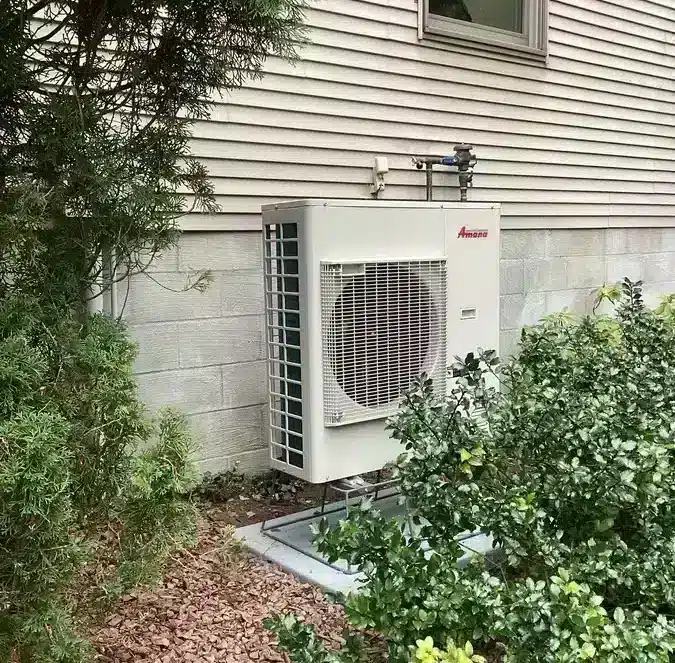
- Keep the outdoor unit clear of leaves, snow, and debris
- Don’t ignore small comfort changes—they’re often early warnings
Schedule professional maintenance to verify operation, airflow, and controls
Book Online
Schedule Heat Pump Service Today and Get Back to Comfort—Fast
If your system is icing up, short cycling, struggling to heat or cool, or simply not performing the way it should, don’t wait for it to get worse. Contact Trusted Heating & Cooling Solutions for heat pump repair in Ann Arbor and Southeast Michigan—and get a team that shows up with a respectful presence, stays all-in from start to finish, and delivers solutions built for lasting comfort.
Book OnlineHeat Pump Repair FAQ
Some cool air can happen briefly during defrost. If it’s frequent, prolonged, or comfort never recovers, it may indicate a control, sensor, refrigerant, or airflow issue that needs diagnosis.
Occasional frost can be normal, but thick ice buildup that doesn’t clear can point to airflow restrictions, refrigerant problems, or defrost control issues.
Short cycling can stress components and may worsen the underlying issue. It’s best to schedule service so we can diagnose the cause and protect the system.
In very cold weather, heat pumps may run longer. But constant running with poor comfort can also indicate dirty coils, airflow problems, thermostat/sensor errors, or refrigerant-related performance loss.
They share many core components, but ductless systems often present issues related to indoor head performance and communication, while ducted systems more commonly show duct/airflow-driven problems. A proper diagnosis helps identify the real cause quickly.
Trusted Heating & Cooling Help Across Ann Arbor Area
From chilly nights to sweltering afternoons, we handle everything from heating repairs to full system replacements with care, speed, and expertise. Homeowners across these communities count on us to keep things running right, year-round:
 All Service Areas

4.9 Star Rating | 375+ Google Reviews
Customer Testimonials – Real Reviews from Our Satisfied Clients in Ann Arbor and Beyond


 Trustindex verifies that the original source of the review is Google.
  Trustindex verifies that the original source of the review is Google.
  Trustindex verifies that the original source of the review is Google.
  Trustindex verifies that the original source of the review is Google.
  Trustindex verifies that the original source of the review is Google.
  Trustindex verifies that the original source of the review is Google.
  Trustindex verifies that the original source of the review is Google.
  Trustindex verifies that the original source of the review is Google.
  Trustindex verifies that the original source of the review is Google.
  Trustindex verifies that the original source of the review is Google. Trustindex verifies that the original source of the review is Google. Trustindex verifies that the original source of the review is Google. Trustindex verifies that the original source of the review is Google. Trustindex verifies that the original source of the review is Google. Trustindex verifies that the original source of the review is Google. Trustindex verifies that the original source of the review is Google. Trustindex verifies that the original source of the review is Google. Trustindex verifies that the original source of the review is Google. Trustindex verifies that the original source of the review is Google. Trustindex verifies that the original source of the review is Google.
 We’d love to earn your 5-star review next.